

Vanity Fair Magazine Articles
The Atlantic Monthly Articles
The Outlook Articles
People Today Articles
American Legion Monthly Articles
Sea Power Magazine Articles
Confederate Veteran Magazine Articles
flapper magazine Articles
La Baionnette Articles
PIC Magazine Articles
Outing Magazine Articles
Stage Magazine Articles
Life Magazine  Articles
National Park Service Histories Articles
Punch Magazine Articles
Men's Wear Articles
Current Literature Articles
The New York Times Articles
Hearst's Sunday American Articles
Colliers Magazine Articles
Click Magazine Articles
Creative Art Magazine Articles
Rob Wagner's Script Articles
The New Republic Articles
American Legion Weekly Articles
The Smart Set Articles
Photoplay Magazine Articles
Leslie's Magazine Articles
Ken Magazine Articles
PM  Articles
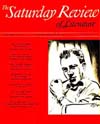
Saturday Review of Literature Articles
The Dial Magazine Articles
Theatre Arts Magazine Articles
The North American Review Articles
Direction Magazine Articles
'47 Magazine Articles
Film Spectator Articles
Film Daily Articles
Trench Warfare History Articles
Newsweek History Articles

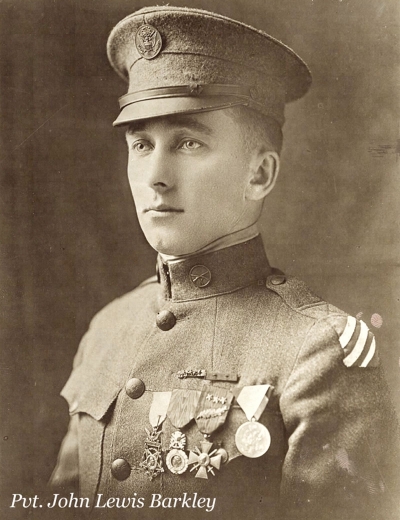
Saturday Review’s Emerson G. Taylor reviewed two World War I books: Baron Fritz by Dante scholar Karl Federn, which he liked, and No Hard Feelings, by Medal of Honor recipient John Lewis Barkley, which he did not:

“In this week’s other narrative of soldier’s life, John Lewis Barkley, late Corporal, 4th United States Infantry, tells the world that he and his gang were exceedingly tough ‘hombres’, that, in the Second Battle of the Marne and in the Meuse Argonne operations, he killed a vast number of bloodthirsty Germans with his trusty rifle, by serving a machine-gun, or with a pistol and a knife, that he was profusely decorated, was always in the fore-front of duty and danger, and spent a furlough in Paris with Marie…Ho-hum.”


KEY WORDS: John Lewis Barkley ww1 book,John Lewis Barkley memoir of ww1,ww1 4th US Infantry memoir by John Lewis Barkley,BARON FRITZ by Karl Federn,review and summary of BARON FRITZ 1930

Read Baron Fritz & No Hard Feelings<br>(Saturday Review of Literature, 1930) for Free

Scroll to Top