Author name: editor

1945, PM Tabloid, Recent Articles, World War Two

The Japanese Planned to Fight Until the End
(PM Tabloid, 1945)

The American magazines and newspapers of late April and early May, 1945, were all about the end of the German Army and now its time to clobber the Japanese. The attached article, from May 6, addressed the subject that this would not be an easy task. If the Atom Bomb hadn’t come along, the Pentagon believed the war would have gone on for another two or three years, and the Japanese were determined to fight until the end:


“The influential Tokyo paper Sangyo Kezei said editorially on April 30: ‘Japan will fight on regardless of any sudden changes in Europe.'”


A similar article can be read here.
1945, PM Tabloid, Recent Articles, World War Two

The Japanese Planned to Fight Until the End
(PM Tabloid, 1945)

The American magazines and newspapers of late April and early May, 1945, were all about the end of the German Army and now its time to clobber the Japanese. The attached article, from May 6, addressed the subject that this would not be an easy task. If the Atom Bomb hadn’t come along, the Pentagon believed the war would have gone on for another two or three years, and the Japanese were determined to fight until the end:


“The influential Tokyo paper Sangyo Kezei said editorially on April 30: ‘Japan will fight on regardless of any sudden changes in Europe.'”


A similar article can be read here.

1945, PM Tabloid, Recent Articles, World War Two

The Japanese Planned to Fight Until the End
(PM Tabloid, 1945)

The American magazines and newspapers of late April and early May, 1945, were all about the end of the German Army and now its time to clobber the Japanese. The attached article, from May 6, addressed the subject that this would not be an easy task. If the Atom Bomb hadn’t come along, the Pentagon believed the war would have gone on for another two or three years, and the Japanese were determined to fight until the end:


“The influential Tokyo paper Sangyo Kezei said editorially on April 30: ‘Japan will fight on regardless of any sudden changes in Europe.'”


A similar article can be read here.
Advertisement

International Red Cross Committee Condemned 1945 | International Lawyer S.Z. Kantor Condemned International Red Cross Committee 1945
1945, PM Tabloid, POWs, Recent Articles

Geneva Red Cross Condemned
(PM Tabloid, 1945)

“A bitter indictment of the International Red Cross Committee for its failure to tell the world what it knew about barbarous conditions in the prison camps of Nazi Germany, at a time when public indignation might have eased the tragic plight of millions, appears in the May issue of the magazine Jewish Frontier, out today.”

US Representative Emanuel Cellar and Nazi Prisoner Abuses 1945 | Congress Examined Internation Red Cross and their Dereliction of Duty 1945
1945, PM Tabloid, POWs, Recent Articles

POW Abuse: What Did the Red Cross Know?
(PM Tabloid, 1945)

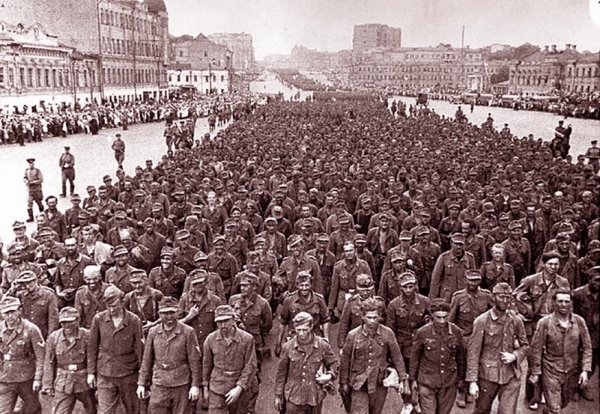
U.S. Representative Emanuel Cellar (1888 – 1981) and a number of senators were all in agreement that the International Red Cross had failed in their task to police Nazi P.O.W. camps for prisoner abuse:


“In accordance with the conditions of the Geneva Convention, the Red Cross has the right to visit prisoner-of-war camps… These killings, starvations, and abuses did not happen in one day. They were prolonged operations. Didn’t the Red Cross know about them?”

Advertisement

Photographer Weegee Magazine Article 1941
1941, Photography, Recent Articles, Spot Magazine

Weegee’s New York
(Spot Magazine, 1941)

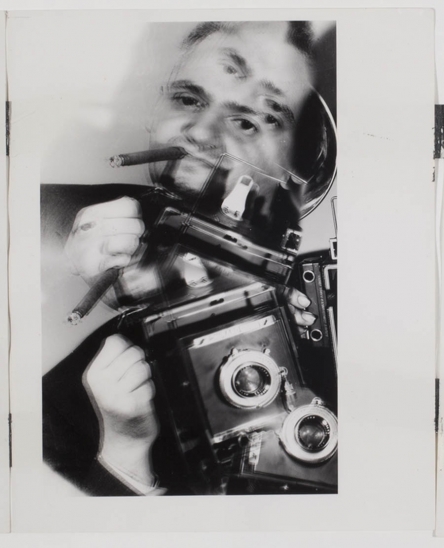
“When most of Manhattan is sound asleep, the free-lance photographer Arthur Fellig (1899 – 1968) – better known as Weegee – begins his wide-awake work of catching the city’s nocturnal drama. Weegee sleeps by day and at midnight sets out to cruse the city in his car, equipped with [a] police radio and bought with the proceeds from crime photos. He earned his nickname through his uncanny Ouija Board ability to know about distant happenings and beat others to the scene.”


Click here to read more about New York City.

Advertisement

Lincoln Elected and Wall Street Panics November 1860
1860, Civil War History, Harper's Weekly, Recent Articles

Lincoln is Elected and the Markets Tank
(Harper’s Weekly, 1860)

“…It is said that the panic grew out of the fears aroused by the ferment in the Southern States. Although at New Orleans all is quiet, and everybody seeks peace, throughout the states of Alabama, Mississippi, South Carolina and Georgia, great excitement prevails; and if any reliance can be placed upon the assertions of the politicians and the newspapers of those states, the election of Lincoln will not be tolerated without a struggle. What that form of struggle may take remains to be seen.”

Admiral Dönitz Not to Be Tried as War Criminal 1945
1945, PM Tabloid, Recent Articles, VE Day

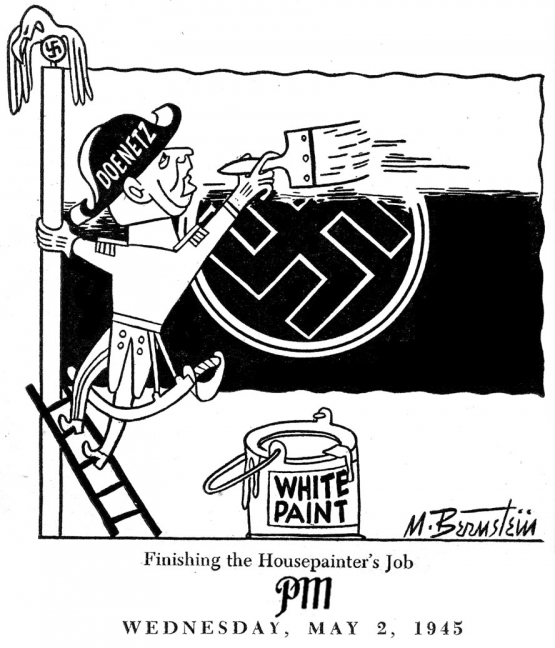
Doenitz Not to be Tried as War Criminal
(PM Tabloid, 1945)

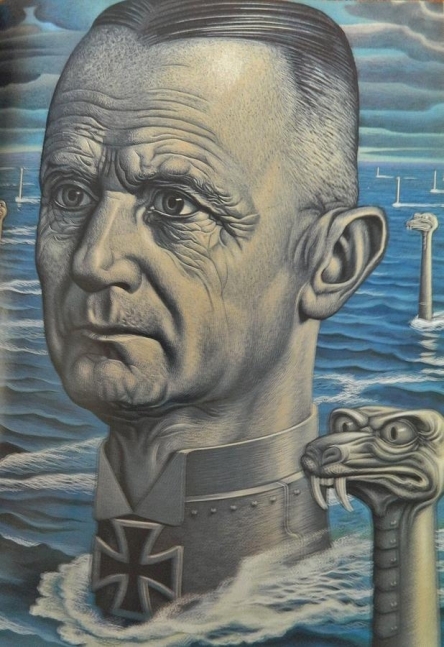
For reasons unknown, the men who ran the Allied war effort chose to ignore the fact that it was German Admiral Karl Doenitz who issued the order that German U-boats were to machinegun all Allied lifeboats after sinking their vessels. The attached journalist was right in pointing out that Doenitz was whitewashed. But it didn’t stick – he was found guilty at Nuremburg and served 12 years.

Advertisement

Advertisement

Nazi Arrogance on Day of Defeat 1945 | Nazi Abuses After Surrendering
1945, Aftermath (WWII), PM Tabloid, Recent Articles

Do the Germans Know They’re Licked?
(PM Tabloid, 1945)

“The German Army has been defeated, but the German murderers are still murderers, the Junkers are still Junkers and they are still Nazis – and all of them are looking ahead to the next war….Here is what the Germans, whose commanders begged for mercy at the signing of the surrender, did in the 24 hours just before and after the formal deadline for capitulation…”

Displaced Persons Division, U.S. Group Control Council Report on Buchenwald Death Camp 1945 | Why was Buchenwald?
1945, Death Camps, PM Tabloid, Recent Articles

Report on Buchenwald
(PM Tabloid, 1945)

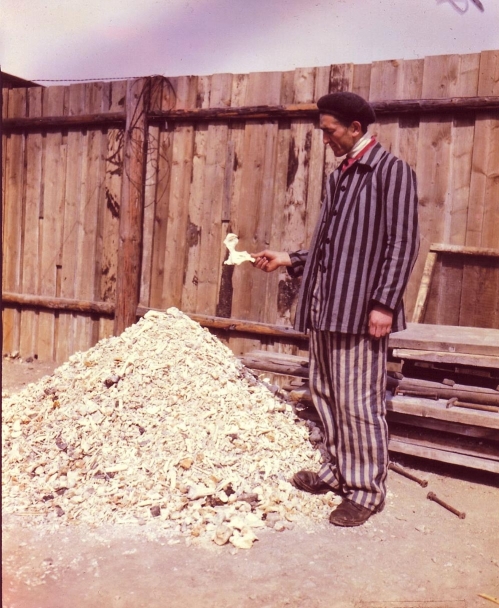
This chronicle on the Nazi concentration camp Buchenwald was written by the senior American officers of the Displaced Persons Division, U.S. Group Control Council for the Supreme Headquarters Allied Expeditionary Forces of the U.S. Department of War. It explains when and why the “camp” was created, who it was intended to incarcerate and how many.

Advertisement

Scroll to Top