Author name: editor

Secret Service Protection and FDR | Secret Service in the Forties
1945, Coronet Magazine, F.D.R., Recent Articles

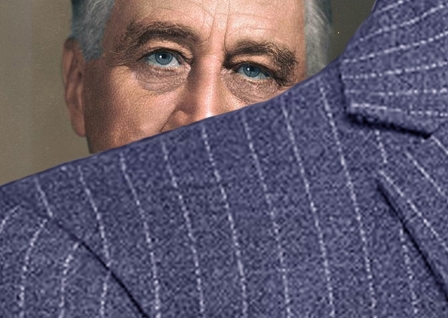
They Protected FDR
(Coronet Magazine, 1945)

Five months after the death of President Roosevelt, writer Michael Sayers (1911 – 2010) managed to get this FDR article to press while the public’s interest in the man was still hot. It addressed the tremendous lengths the Secret Service went to on a daily basis to protect President Roosevelt from Axis assassins and general kooks who wanted a shot at him:


“The White House detail, headed by six-foot Michael Reiley (1909 – 1973), stayed beside the President at all times. They became his shadows, unseen in the public glare, but always at hand… The President was not permitted to set foot in any place that had not been thoroughly investigated beforehand.”

Advertisement

WW1 Training Camp Revisited 1920 | WW1 Infantry Training Remembered
1920, Doughboys, Recent Articles, The Independent

A Doughboy Remembers
(The Independent, 1920)

On the second anniversary of the Armistice, an American veteran of the war looked back on his days in military training. In this article, he walked the grounds of his old cantonment wistfully recalling how each plot of ground was put to use:


“…the K.P.’s peeling potatoes at the doors of the mess hall, the prisoners digging ditches or working on the coal pile, the guards walking their posts, the officers with their ladies under the trees… Here, under these trees, were the tents of the medical staff… There were the horse-stalls… That thrill, that enthusiasm, that lofty notion that the country was greater than the man…”

WW2 African-American Soldiers Wanted to Fight the Axis
1944, African-American Service, PM Tabloid, Recent Articles

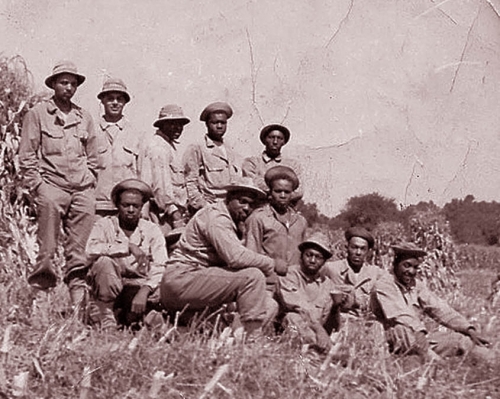
We Want to Fight
(PM Tabloid, 1944)

On the very first day of America’s participation in World War II, an African American sailor at Pearl Harbor named Dorrie Miller shot down four enemy planes and saved 12 men from drowning. One would think that this would make the gang on capitol Hill sit up and realize that the war would be shorter if other men of a similar hue could be released upon our enemies, but this was not the case. Very few American blacks were permitted to fight and this article serves as a testimony to their frustration.

Rupert Hughes Pioneer Hollywood Film Director 1923 | Rupert Hughes Early 20th Century Novelist Review 1923
1923, Recent Articles, Silent Movie History, Time Magazine

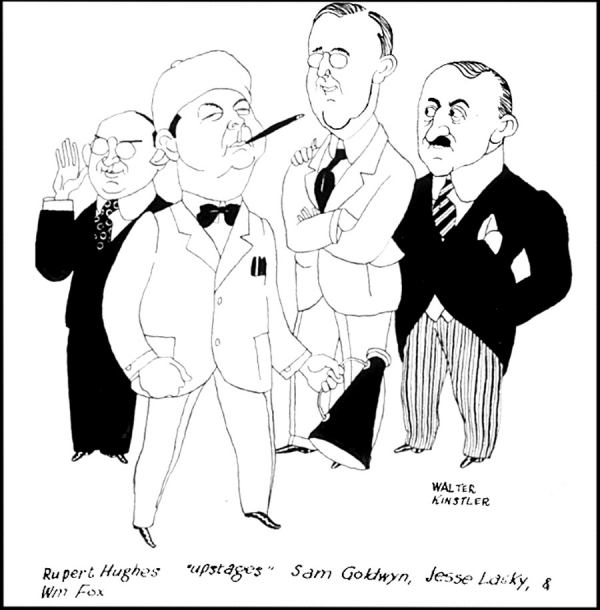
Rupert Hughes
(Time Magazine, 1923)

Although the attached column is a book review covering the 1923 novel by Rupert Hughes (1872 – 1952), Within These Walls, we have posted it in this category due to the fact that in our age, more people see his movies than read his books. In fact, the bulk of the review refers to his Hollywood efforts (he had over 65 credits before retiring) rather than his novels (thirty titles):


“Few authors have been successful at the business of creating motion pictures…Rupert Hughes, however, has proved to be exceedingly able in the Hollywood studios. He not only writes his own scenarios, but he directs his pictures.”

Advertisement

Advertisement

1920 Prohibition Politics
1920, Pathfinder Magazine, Prohibition History, Recent Articles

The Political Landscape
(Pathfinder Magazine, 1920)

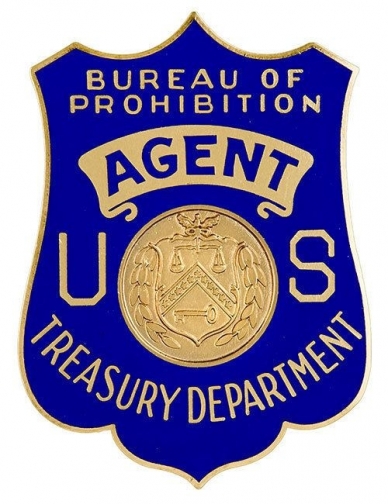
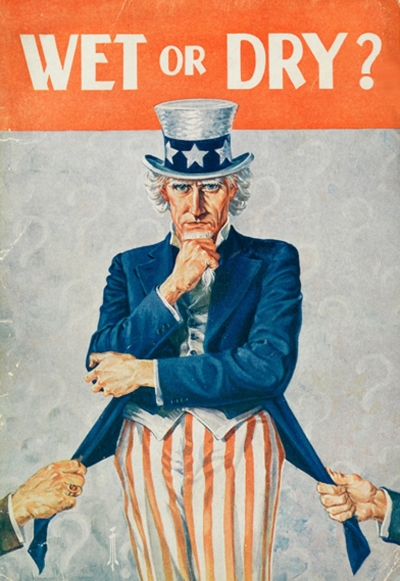
Weeks after the Prohibition Amendment came into effect, there was much scurrying about by all politicians on both the state and Federal levels – all looking for allies they could rely upon to either defend or overturn the legislation, depending upon their respective constituencies. The first question put to each representative was, “Are you wet or dry?” Shortly before this article went to press, Congress held a vote to repeal the Volstead Act: the repeal was rejected by a vote of 254 to 85.

Dr Eduard Bloch Article About Young Adolf Hitler 1941 | Dr Eduard Bloch Adolf Hitler Pediatrician
1941, Adolf Hitler, Collier's Magazine, Recent Articles

”My Patient, Adolf Hitler”
(Collier’s Magazine, 1941)

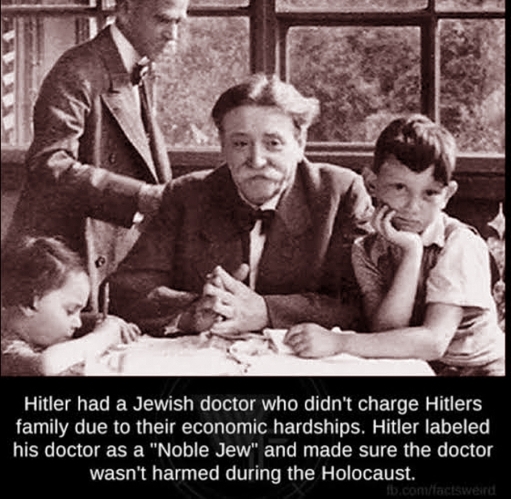
Dr. Eduard Bloch (1872 – 1945) was the Austrian physician who treated the family Hitler throughout the 1880’s up until 1908. He knew the future tyrant well. Oddly, the doctor seems quite sympathetic toward Hitler – he couldn’t have known that his patient would become one of the greatest monsters of the Twentieth Century, but he had read Hitler’s book and knew what he was capable of.

“What kind of boy was Adolf Hitler? Many biographers have put him down as harsh-voiced, defiant, untidy; as a young ruffian who personified all that is unattractive. This simply is not true. As a youth he was quiet, well-mannered and neatly dressed.”

German Refugees from the Allied Bombing Campaign | Eating Dogs in Bombed Berlin 1944
1944, Collier's Magazine, German Home Front, Recent Articles

The Bombed-Out Germans
(Collier’s Magazine, 1944)

A report by a Swiss journalist as to what becomes of the Germans who are left homeless after the bombings:

“In most cities they immediately get 200 marks cash payment. The money is fresh and clean from the press… With cup in hand, the bombed-outers wait in the streets for the army goulash truck to drive up and give them a feed. Sometimes they wait for as much forty-eight hours. People who don’t like or cannot get the army goulash build themselves a fire and cook the horses, dogs and cats that lie around the street…”

Advertisement

General George Marshall Career | Famous 1901 Graduate of Virginia Military Institute
1943, Collier's Magazine, General Marshall, Recent Articles

He was One of a Kind
(Collier’s Magazine, 1943)

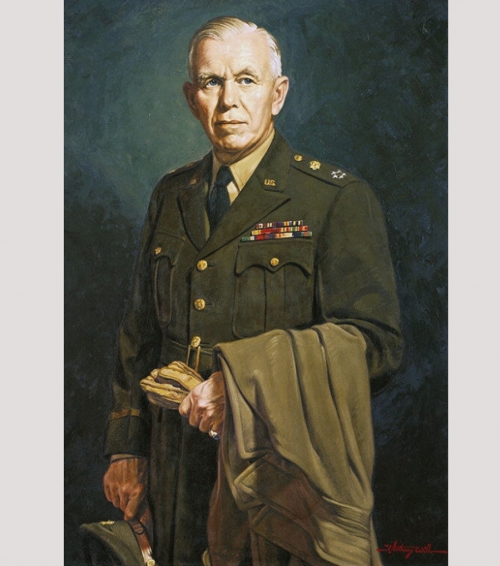
Here is an article by George Creel (1876 – 1953) regarding the life and career of General George Marshall (1880 – 1959) and all the unique elements within him that made him an ideal Chief of Staff for his time:

“He can not only talk with civilians in their own language, but he can also see things from the civilian point of view. Even during the years when Congress denied adequate appropriations for the Army, no one ever heard him snarl at rotten politicians. He saw the unwillingness to prepare for war as a democracy’s hatred of war, and even while regretting it, he understood.”


Click here to read about the Marshall Plan.

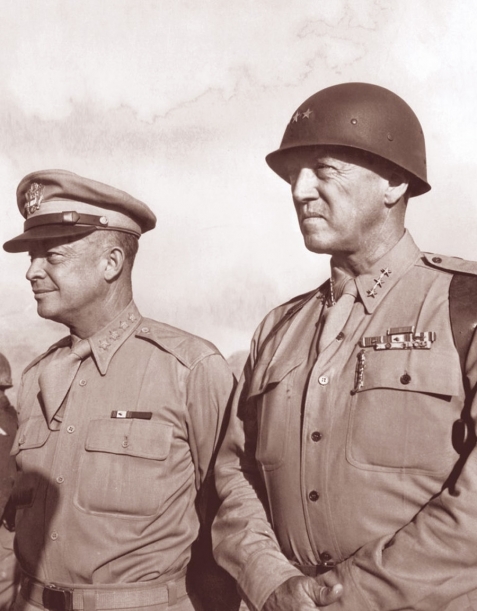
General Eisenhower Visited the Sicily Invasion |
1943, Collier's Magazine, General Eisenhower, Recent Articles

”With Eisenhower in Sicily”
(Collier’s Magazine, 1943)

“On the first day of operations, I heard him say, ‘By golly, we’ve done it again! By golly, I wouldn’t have believed it1’ Meaning the surprise landings really turned out to be a surprise. And [turning to the press corps] he added, ‘This is the period when you fellows want to know everything, but military folks are scared to death just now. Darn it, I can’t tell you anything! After all, I’m the man responsible.”

Bay of Pigs News Article 1962 | Bay of Pigs News Article 1962
1962, Cuba, Recent Articles, Sir! Magazine

Disaster at the Bay of Pigs
(Sir! Magazine, 1962)

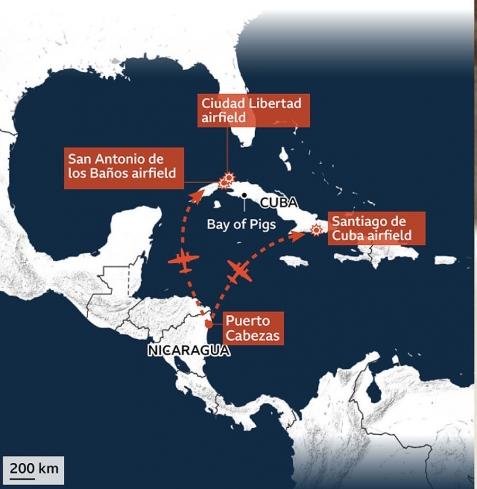
“The fiasco at the Bay of Pigs, began ten months earlier on a hot June [1960] morning in room 125 of the plush Commodore Hotel in midtown Manhattan. It was born in the classical fashion of the cloak and dagger intrigue. Five prominent former residents of Cuba, all anti-Castro and untainted by former dictator Batista, were instructed to arrive at the Commodore separately. There they were confronted by Roy Bender, a high-ranking agent of the CIA.”

Advertisement

1942, Recent Articles, United States News, World War Two

Hunger in Axis Lands
(United States News, 1942)

American diplomats caught in Germany, Austria, Italy and other occupied lands at the time of FDR’s declaration of war were subject to five months of incarceration before they were repatriated. The attached article tells of the hardships and hunger experienced by the citizens of those nations as the war entered its third year. Also seen was the tremendous distrust that was developing between the Italians and the Germans.

Hollywood Actors Gone to World War Two |Actor and Crew Shortage During WW2 Hollywood
1943, Collier's Magazine, Hollywood, Recent Articles

Hollywood Feels the Actor Shortages
(Collier’s Magazine, 1943)

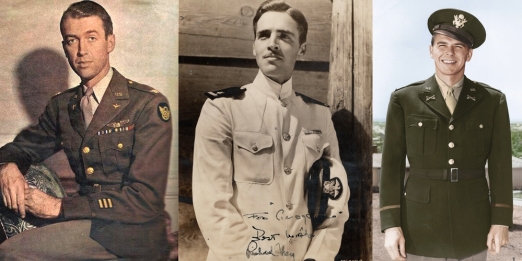
“What Hollywood is saying secretly and can’t say publicly is: The Armed Forces are taking away all our actors, all our technical men. Things are serious now; in six months they will be desperate. But if anybody in Hollywood got up and said that unless a great change in public policy is made, the movies might be out of business in six months…”


“[Movie stars have] a duty and Hollywood has a duty and they should be made to stick to it.”

Advertisement

Scroll to Top