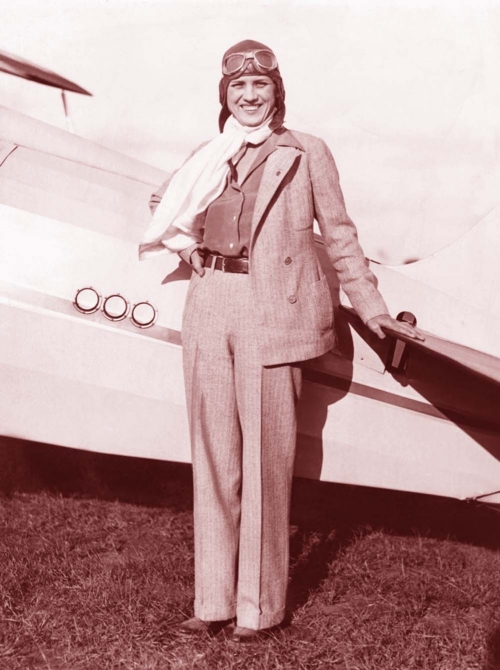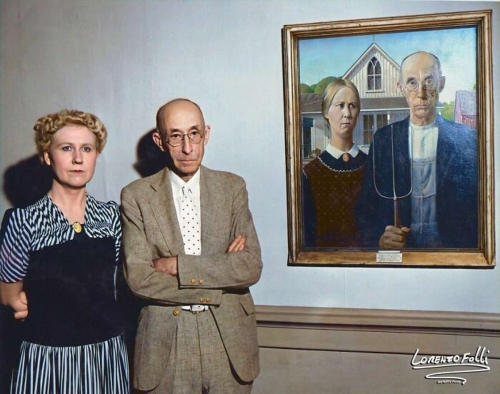
Streamlined Glass Furniture
(Look Magazine, 1938)
NULL

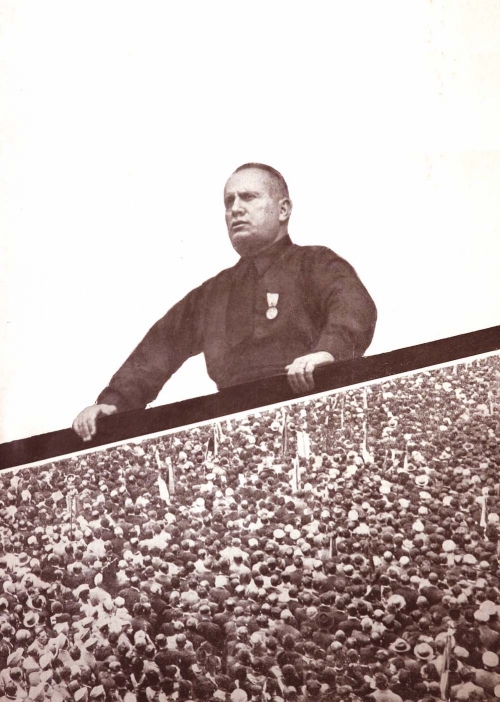
In the attached article, famed journalist Anne O’Hare McCormick (1880 – 1954) went to great lengths to explain why the Italian people were so coocoo crazy for the rule of Benito Mussolini. At this point he had only been in power for eight months:
“Mussolini has the people hypnotized, but he has been given so much rope that he is sure to hang himself in the end.”

Ewing Krainin (1912 – 2004) was a popular photographer in his day, and the darling of many a magazine editor. His most revered image was the Life picture of the scantily clad fashion model Chili Williams (1921 – 2003) – an image that is recalled and explained in the opening paragraphs of this article.
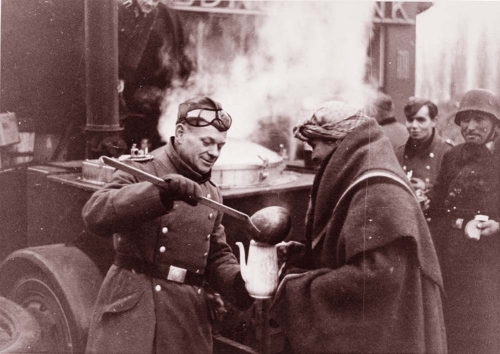
A weird article. This journalist seemed to admire much of what he saw in Nazi Germany.

Everyone on the home front was used to making sacrifices, and Hollywood star Linda Darnell (1923 – 1965) was no exception:
“Allowances must be made for Linda Darnell who has been sorely tried. Instead of six servants, she now has two – and she hears strange sounds from the kitchen that convince her she will soon be alone. Her chauffer has been drafted; her butler is working at Lockheed. Her flower gardens are a wreck because the Japs who once tended them are in internment camps… ‘Why, this gas rationing… it’s worse than being bombed!'”
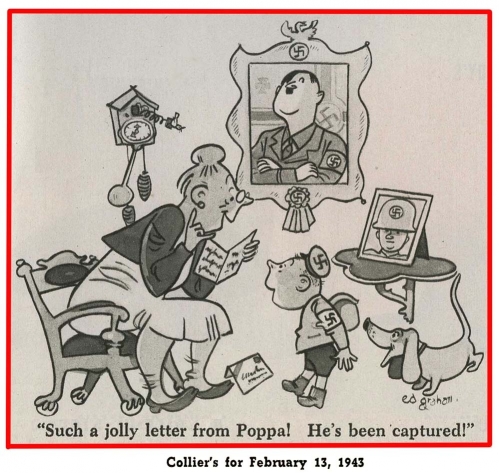
“There are reports that these prisoners are often pampered, that they are getting cigarettes when Americans civilians cannot get them, that they are being served by American soldiers, that they are often not working at a time when war workers are scarce. The general complaint is that the 46,000 American prisoners in Germany are not faring as well as the 300,000 Germans in this country.”
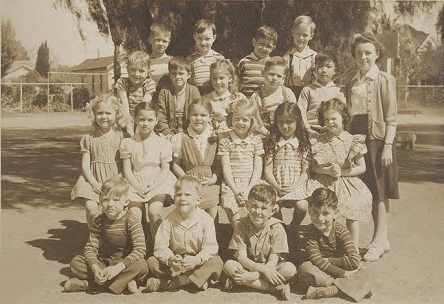
“Teachers, during the war period, have been undergoing unprecedented, exhausting struggle in the classroom. And in their ranks have been casualties that add up to a dangerous teacher shortage. According to the National Education Association, ‘the economic status of teachers has been pushed back 20 years since Pearl Harbor’… The combination of overwork, underpay and the thanklessness of teaching has created an army of deserters from the profession.”
More on the hard lot of teachers during the war can be read here.

The attached article pertains to the amazing speed at which the U.S. Navy was able to add new fighting ships to the fleet between December, 1941 and December, 1942.
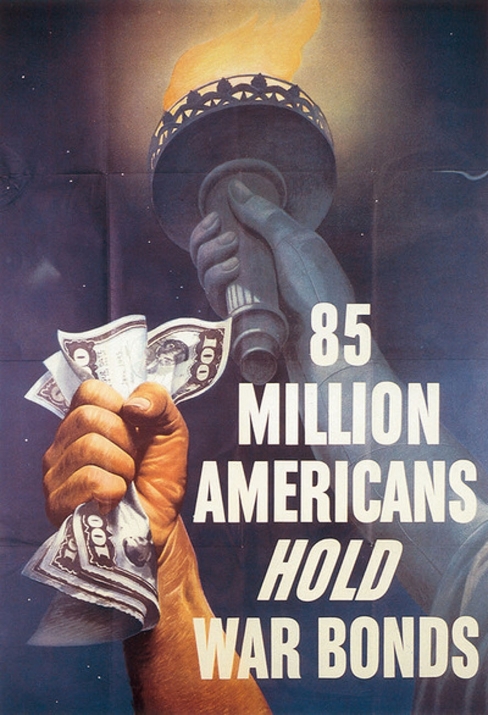
Having heard from assorted armchair generals, radio oracles and ink-stained bums that the heart of the American home front was not in the fight, journalist Quentin Reynolds bought some train tickets to scour the country and see if it was true.
It wasn’t.
Click here to read about the rationing of makeup.
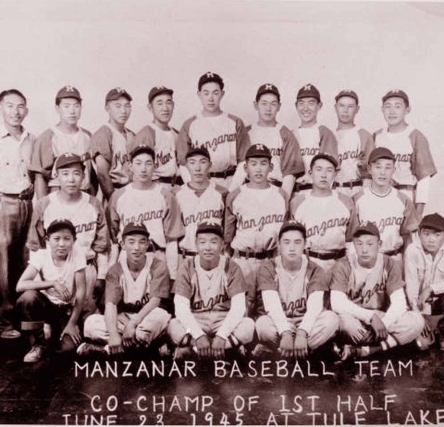
An optimistic article from 1942 that asks us to look for the sunny side of the Japanese American internment camps – after all, they never had it so good!

An anonymous reporter relays all that came across his desk in the way of wild victory celebrations on VJ Day. Spread out over 14 paragraphs are eyewitness accounts of the pandemonium that spread across the nation when the news arrived that the war was over.
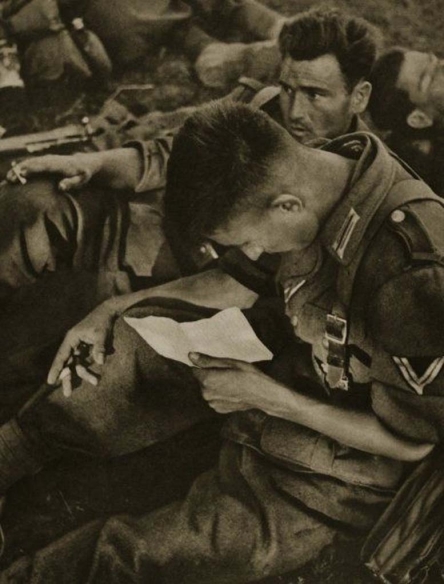
“The information in letters found on the German dead, intimate and personal as it is, leads to some striking deductions. The people inside Germany hate the war and want it to end. They are tired of hardships, sick of sacrifice. They lament the moral disintegration of their young women; they shudder at air raids; they weep over their dead. But nowhere do they betray the least suggestion of German guilt or regret for horrors which the German armies perpetrate on conquered countries. Hard as is their life, they know neither starvation nor desperation. Nor do they expect Germany to lose the war. To expect them at this time to revolt against Hitler is as futile and puerile to expect the Fuehrer to live up to his promises or the treatise he signs.”
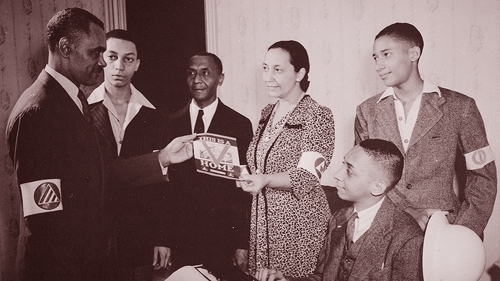
Black author Richard Wright (1908 – 1960) clearly delineated for the readers of Coronet why African American participation in W.W. II was of great importance to the Black community.
Newsweek‘s Raymond Moley (1886 – 1975) took a serious look at the year that had just passed, 1941, and concluded that the American people, as a whole, had had embraced the war as their own personal problem. He was impressed with the gravity with which the home front solved the problems that war brought to their doorsteps:
“The pre-Pearl Harbor issue has been liquidated, not because of an act of national will power. It had faded before the immediate tasks of war. The new year brought so many jobs to do, so many problems to grapple with that there was no time to remember 1941… At no time in the year has there been a real failure on the part of Americans to appreciate the gravity of the war job.”
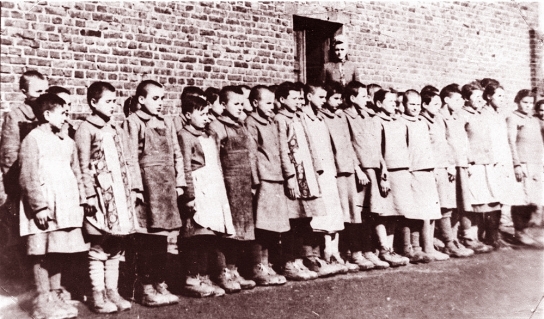
As if Auschwitz, Dachau, Buchenwald, Nordhausen and Bergen-Belsen weren’t bad enough – in late April, 1945, advancing Soviet infantry reported that:
“The Red Army had found a concentration camp for children at Konstantinov, beyond Lodz in central Poland…There were 862 children in the camp, all Russian, White Russian and Ukrainian.”
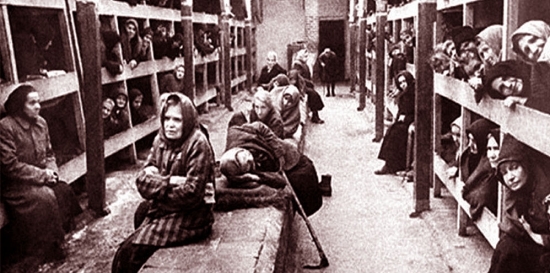
Here is an eyewitness account of the daily life at Ravensbrück concentration camp. Ravensbrück was the largest concentration camp for women in Germany. The Germans gassed between 5,000 and 6,000 prisoners at Ravensbrück before Soviet troops liberated the camp in the April of 1945.