







The Saturday Evening Post Articles
The Film Spectator Magazine Articles
Vogue Magazine Articles
Confidential Magazine Articles
Newsweek Articles
People Today Magazine Articles
The National Park Service Articles
Click Magazine Articles
Direction Magazine Articles
Outlook Magazine Articles
Life Magazine Articles
Vanity Fair Magazine Articles
Trench Warfare Articles
Harper's Bazaar Magazine Articles
Liberty Magazine Articles
Punch Magazine Articles
Confederate Veteran Magazine Articles
Touchstone Magazine Articles
Film Daily Magazine Articles
Theatre Arts Magazine Articles
Pic Magazine Articles
Sea Power Magazine Articles
Current Literature Magazine Articles
Ken Magazine Articles
The Dial Magazine Articles
Freedom's Triumph Articles
The North American Review Articles
La Baionnette Articles
PM Tabloid Articles
The New York Times Articles
Stage Magazine Articles
Collier's Magazine Articles
The Smart Set Articles
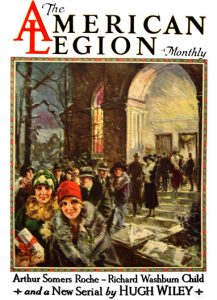
The American Legion Monthly Articles
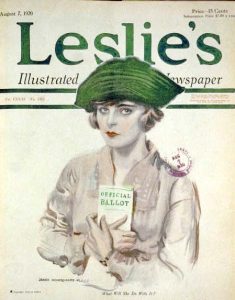
Leslie's Magazine Articles
Creative Art Magazine Articles
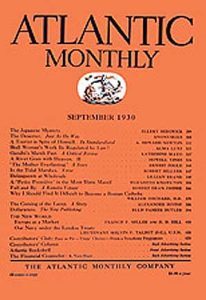
The Atlantic Monthly Articles
The Flapper Magazine Articles
Hearst's Sunday American Articles
Photoplay Magazine Articles
47 Magazine Articles
Rob Wagner's Script Magazine Articles
Scribner's Magazine Articles
The American Legion Weekly Articles
Men's Wear Magazine Articles
Harper's Weekly Articles
The Saturday Review Articles
Outing Magazine Articles
The New Republic Articles
G.I. Joe Magazine Articles

Supreme Court-Packing

The Court
(Pathfinder Magazine, 1937)

This article explains FDR’s plan for the Court and then goes a good deal deeper. This unnamed journalist pointed out that these frustrations were not new to the executive office. Earlier presidents had similar dustups in 1823, 1869 and 1900.

Justice Willis Van Devanter
(Pathfinder Magazine, 1937)

When FDR sat down and planned whose voice on the Supreme Court he would most like to nullify, it wasn’t always that of Justice Van Devanter. Although Willis Van Devanter was a conservative, he was a thoughtful jurist who was known to, from time-to-time, vote in support of some of the New Deal legislation.

Advertisement

Use shortcode [oma_ad position="summary_top"] (or other position) in your theme or widgets to display OMA Promotions here.

Justice Pierce Butler
(Pathfinder Magazine, 1937)

Justice Pierce Butler “was born in a log hut near Northfield, Minn., on St. Patrick’s Day, 1866… Butler believes in few laws and little regulation because he himself grew up under a system of every man for himself and the devil take the hindmost.”

Justice James Clark McReynolds
(Pathfinder Magazine, 1937)

Bingo! Justice James Clark McReynolds was the stick-in-the-mud FDR wished to have disappeared from the court. This journalist observed that McReynolds “seemed to regard himself as the last Bulwark of a social order which Woodrow Wilson deemed too antiquated in 1914”. Indeed, he was cranky and crusty and disliked Jews and black people equally and didn’t seem to care who knew it.

Justice Louis Brandeis
(Pathfinder Magazine, 1937)

Oldest and most consistently liberal of the justices is Louis Brandeis. Together with the three younger members of the court – Roberts, Cardozo and Stone – Brandeis has frequently seen eye to eye with the objectives of the present administration.

Advertisement

Use shortcode [oma_ad position="summary_top"] (or other position) in your theme or widgets to display OMA Promotions here.

Justice Charles Evans Hughes
(Pathfinder Magazine, 1937)

“It has been pointed out that a number of cases in which Justice Hughes (1862 – 1948) sided with Liberals have involved civil liberties. On this phase of liberalism, Hughes has consistently upheld traditional American freedoms…”

FDR, Congress and the Plan to Pack the Supreme Court
(Collier’s Magazine, 1947)

Attached is an article by James A. Farley (1888 – 1976), who in 1933 was appointed by F.D.R. to serve as both the Postmaster General as well as the Chairman of the Democratic National Committee. During the Thirties, Farley was also FDR’s go-to-guy in all matters involving politics on Capitol Hill, and he wrote the attached article two years after Roosevelt’s death in order to explain how the Court-packing scheme was received in Congress and how his relationship with FDR soon soured.

Boss, I asked him, why didn’t you advise the senators in advance that you were sending them the Court bill?
Jim, I just couldn’t, he answered earnestly. I didn’t want to have it get to the press prematurely…

Advertisement

Use shortcode [oma_ad position="summary_top"] (or other position) in your theme or widgets to display OMA Promotions here.

Scroll to Top